Prayer and Liturgy
Prayer & Liturgy at St Teresa’s
At St Teresa’s Catholic Primary School, prayer and liturgy are the heartbeat of our mission “With Jesus we live, love and learn.”
We aim not only to fulfil our statutory duty to provide daily acts of collective worship, but to cultivate a rich, living spiritual life where every child encounters Christ, grows in faith, and learns to pray with confidence and joy.
Inspired by the Little Way of St Thérèse of Lisieux, our worship life teaches pupils that prayer is simple, heartfelt, beautiful—and open to everyone.
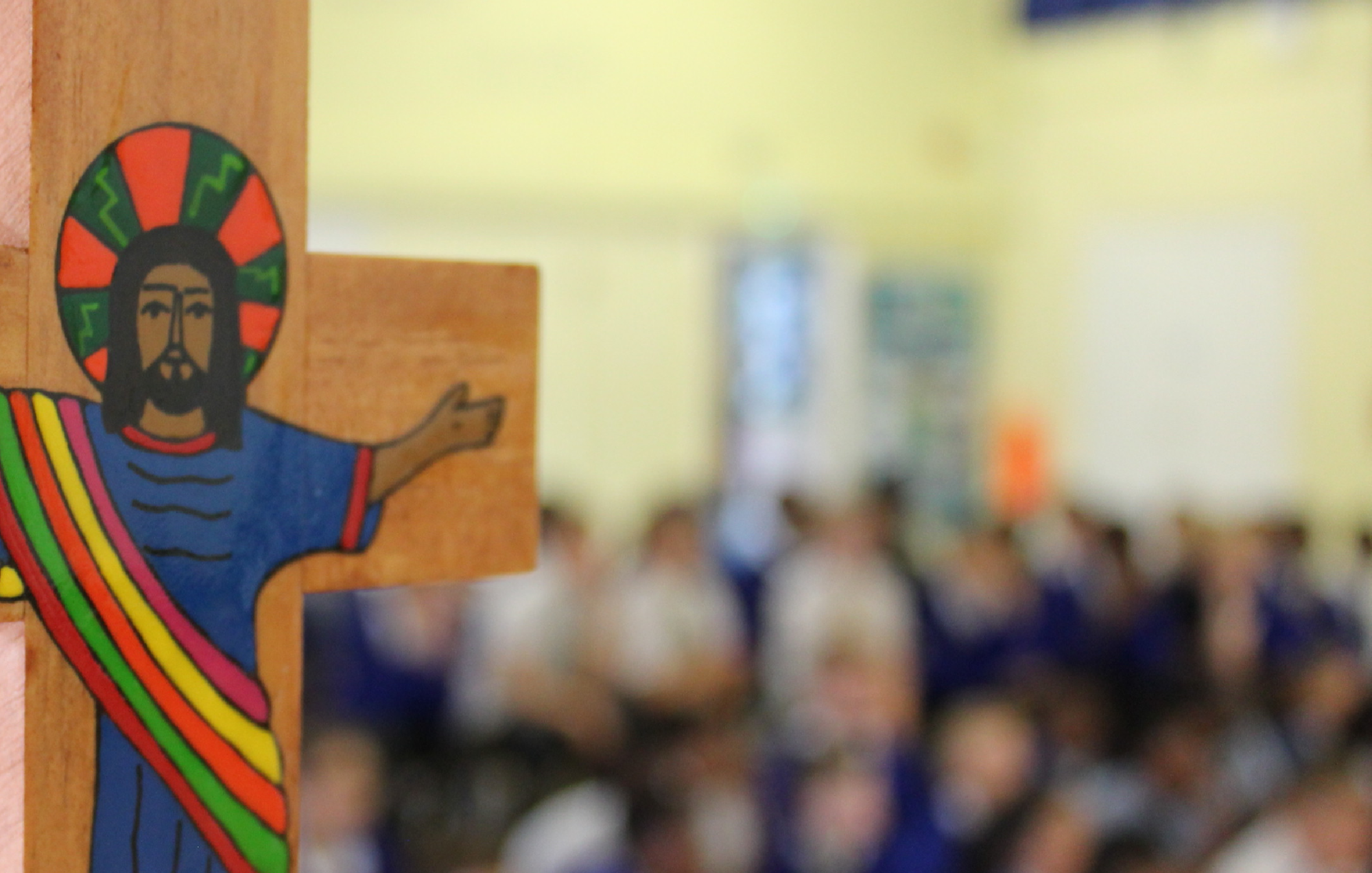
Our Approach to Prayer & Liturgy
Our prayer and liturgy follow the vision of the Prayer and Liturgy Directory (2023) and are:
-
Living – rooted in the faith of our community
-
Authentic – faithful to Scripture and Catholic teaching
-
Formative – developing reverence, gratitude and compassion
-
Participative – involving all pupils actively
-
Inclusive – accessible to all regardless of background or needs
-
Developmentally appropriate – using gesture, symbol, silence, image and movement
This ensures that worship is not simply something our children attend, but something they experience, shape and lead.
Daily Rhythm of Prayer
Prayer punctuates the school day:
-
Morning Offering
-
Grace Before and After Meals
-
End-of-Day Prayer
-
Traditional prayers and liturgical responses
-
Spontaneous, child-led prayers for gratitude, hope, courage or intercession
All progressive prayer expectations are set out in the St Teresa’s Prayer Book, which guides pupils from Early Years to Year 6 in traditional prayer, spontaneous prayer, Scripture listening, silence and stillness.
Widgit-supported prayer resources ensure that every child, including those with additional communication needs, can fully participate.
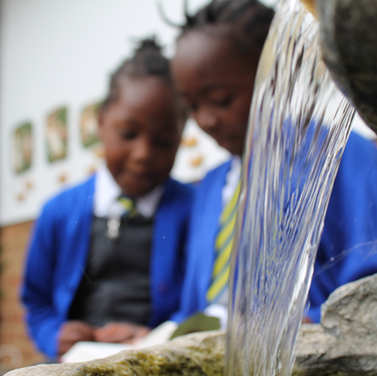
Celebrations of the Word
Each week we gather twice for school-wide or key-stage Celebrations of the Word, built around the Sunday Gospel.
Monday – Proclamation & Teaching
Led by the Headteacher, worship includes:
-
Proclamation of the Gospel
-
Faith Council-led bidding prayers
-
Teaching on the Gospel theme
-
A “Going Forth” action to live out the message
Tuesday – Reflection & Silence
Led by the RE/Prayer & Liturgy Lead:
-
Re-visiting the Gospel
-
Extended time of silence and contemplation
-
Sharing personal reflections
-
A mission rooted in Scripture and Catholic Social Teaching
These acts of worship are a central moment of unity, stillness and spiritual growth for the whole community.
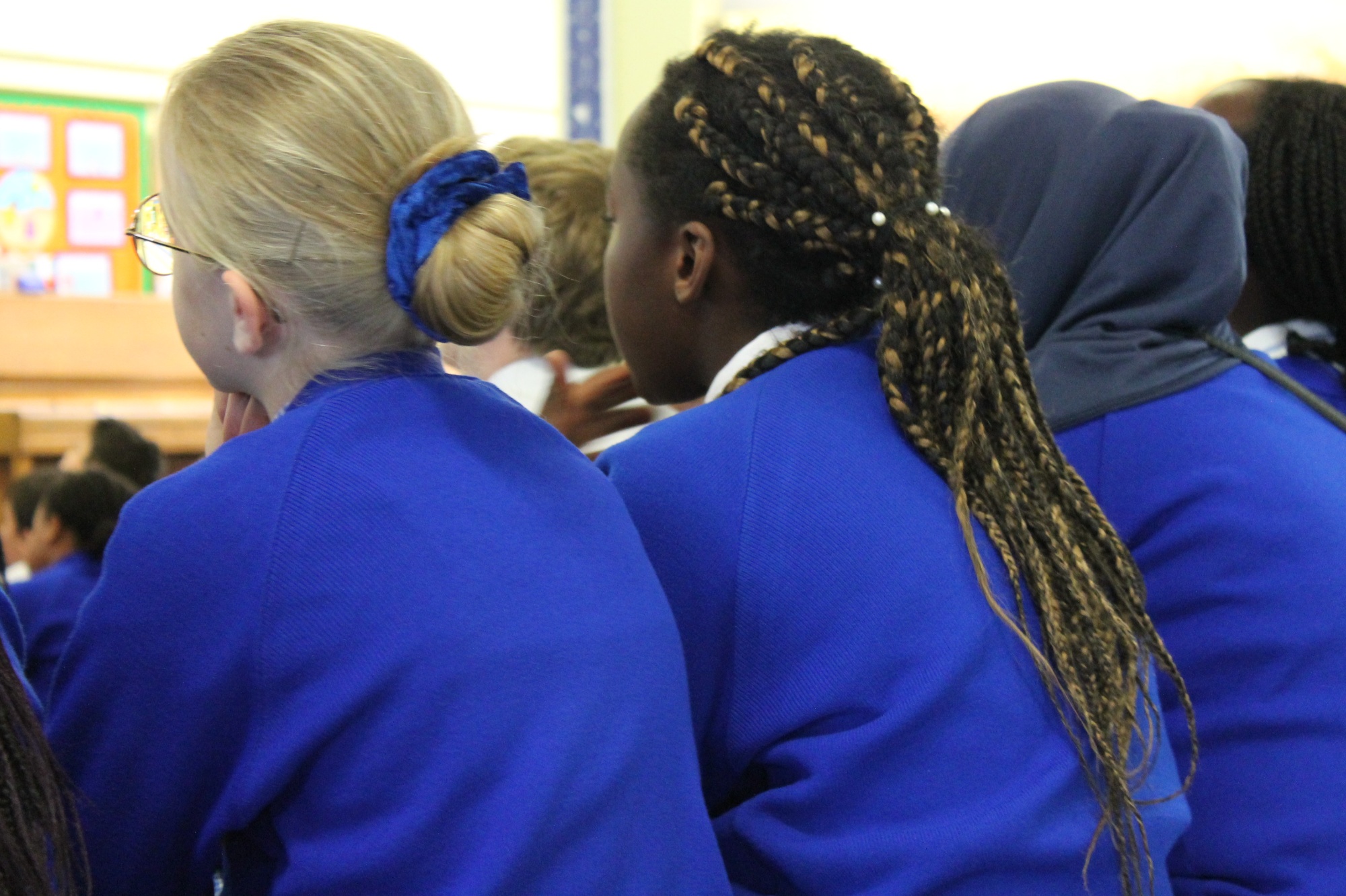
Class Collective Worship
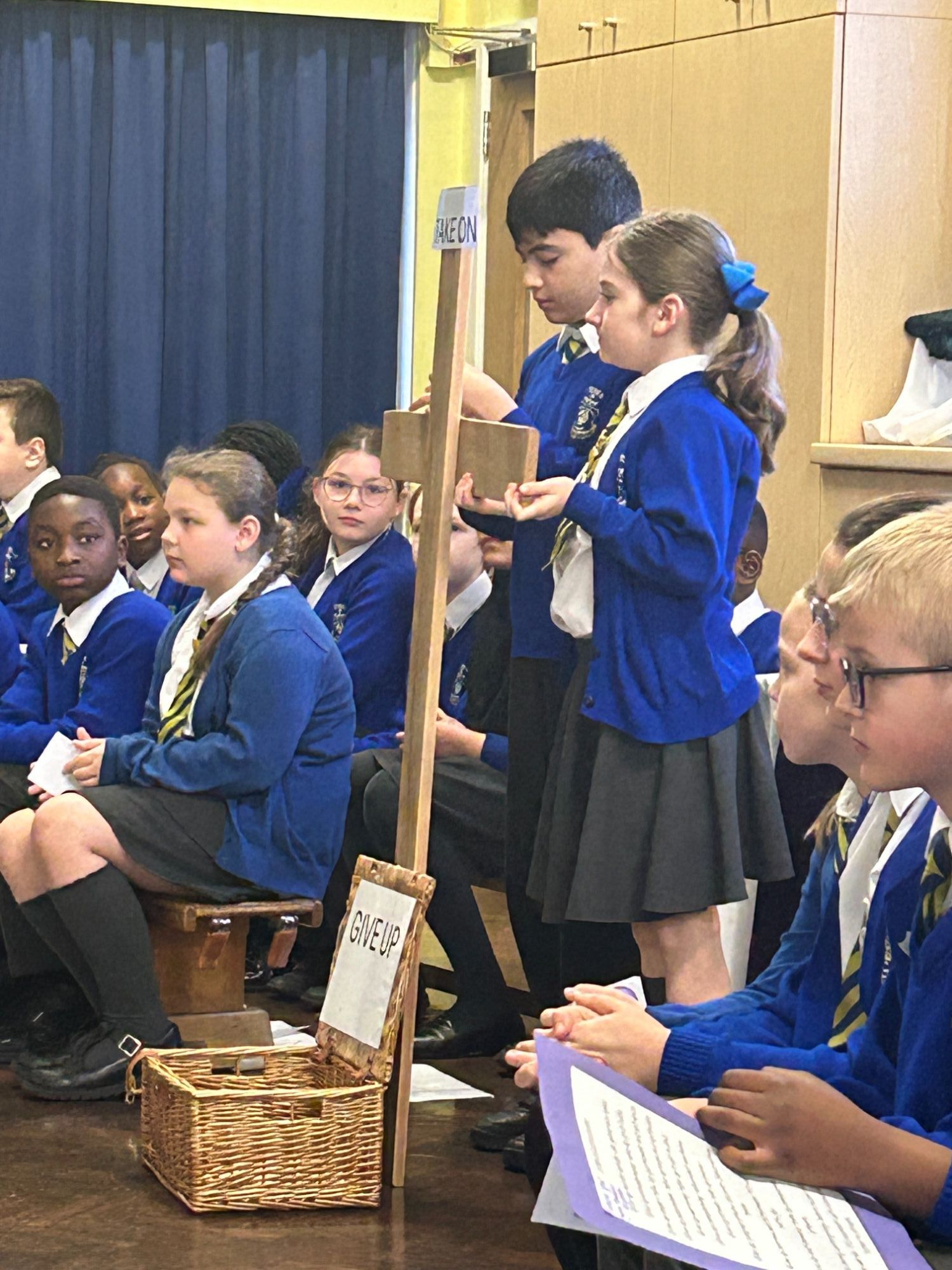
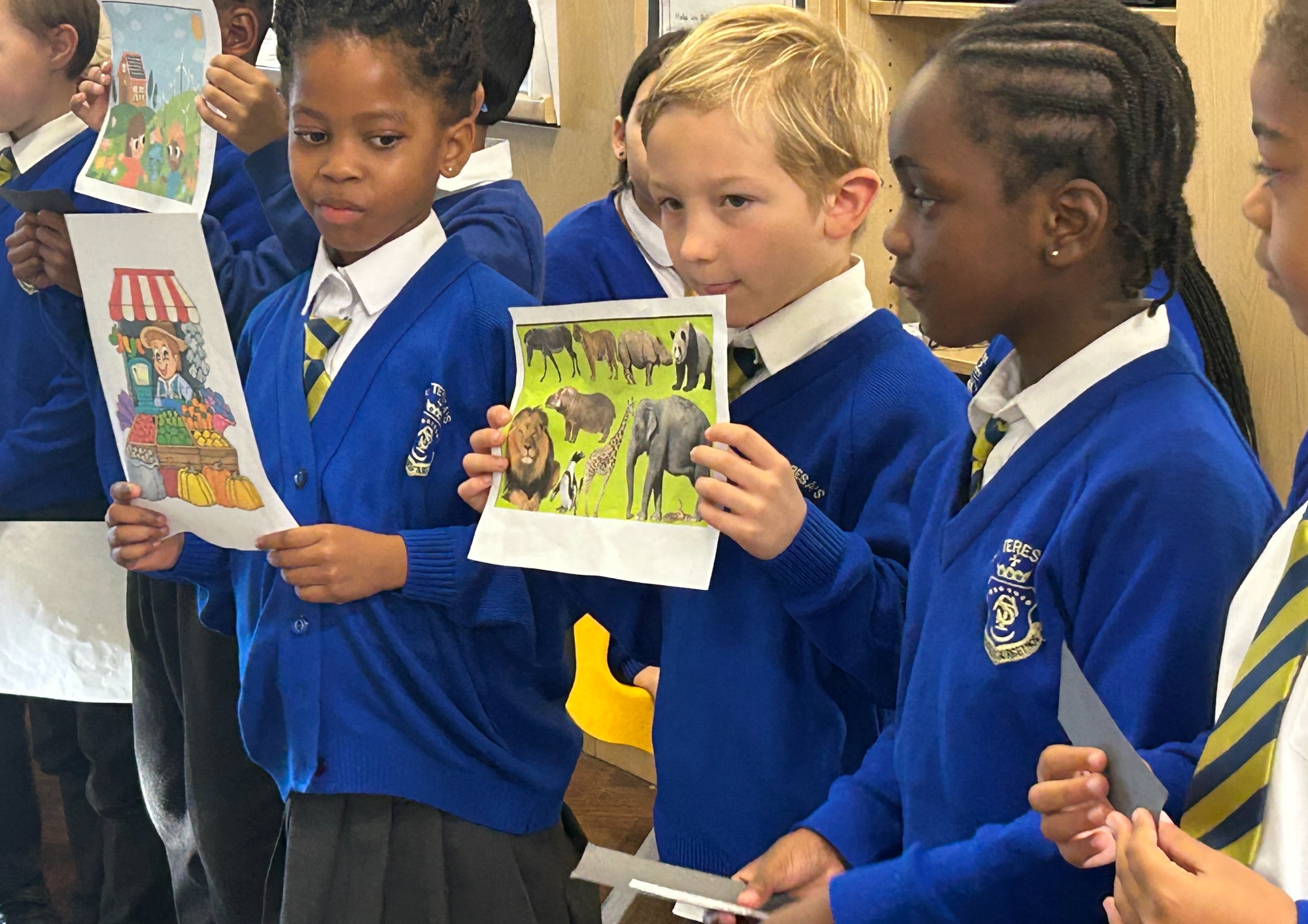
Every class holds regular worship planned and partly or fully led by pupils using an age-appropriate Gather – Listen – Respond – Go Forth framework.
Children choose:
-
Symbols
-
Scripture
-
Hymns
-
Images
-
Spontaneous or written prayers
Younger pupils use scaffolded templates; older pupils increasingly lead confidently and independently.
Mass and the Parish Partnership
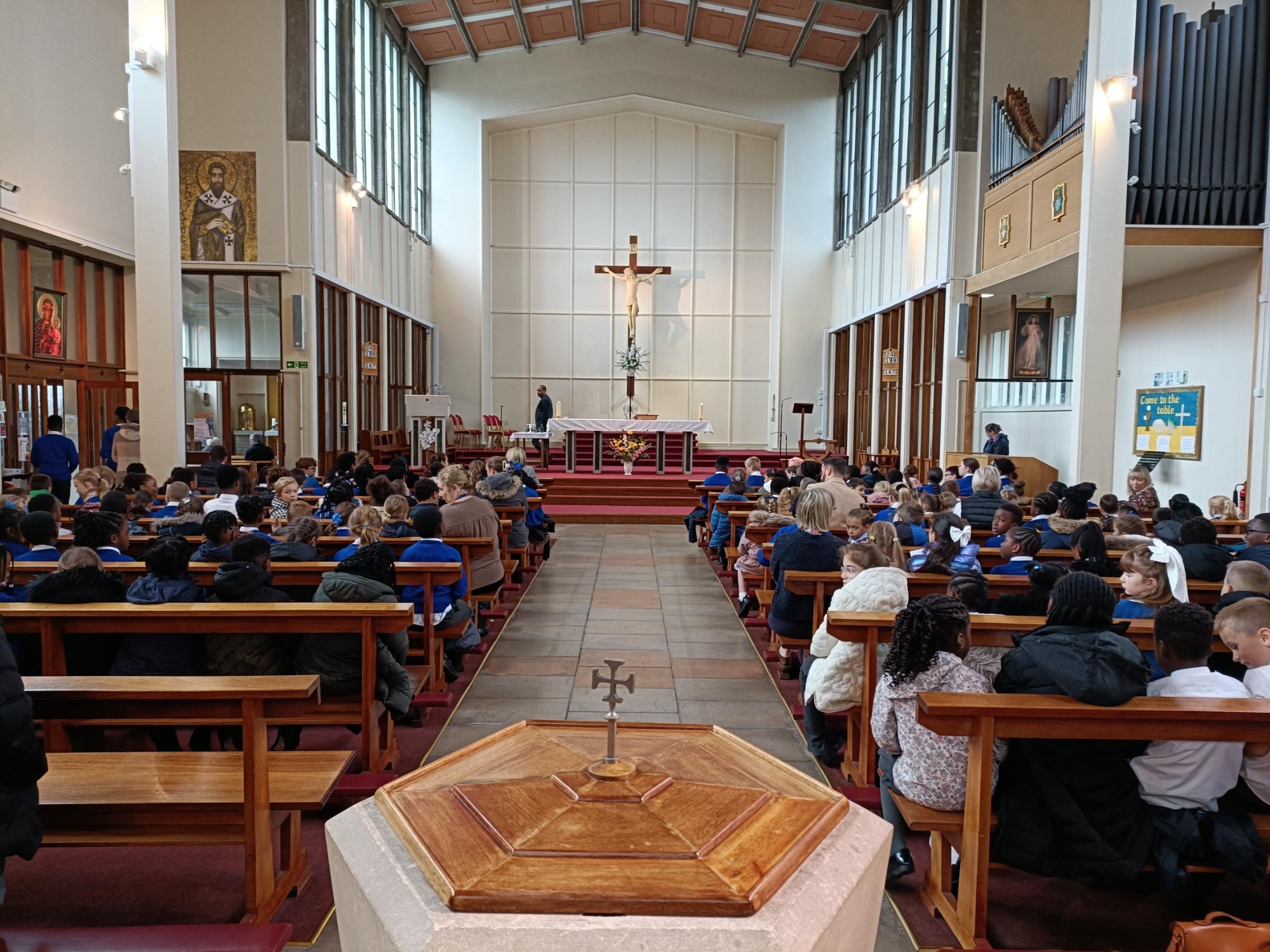
Our relationship with St Basil’s Parish is central to our worship life.
-
Classes attend Tuesday Mass on rotation
-
Pupils serve as readers, servers and offertory bearers
-
Older pupils mentor younger ones in how to participate
-
Special Masses include St Thérèse’s Feast Day, Ash Wednesday, and the Year 6 Leavers’ Mass
-
Parish catechists visit regularly to support First Holy Communion preparation
This flourishing partnership helps children feel at home within the wider Church community.
Spontaneous Prayer
Spontaneous prayer is a defining feature of our prayer life. Children learn that prayer is a conversation with God that can happen:
-
In class
-
In the Prayer Garden
-
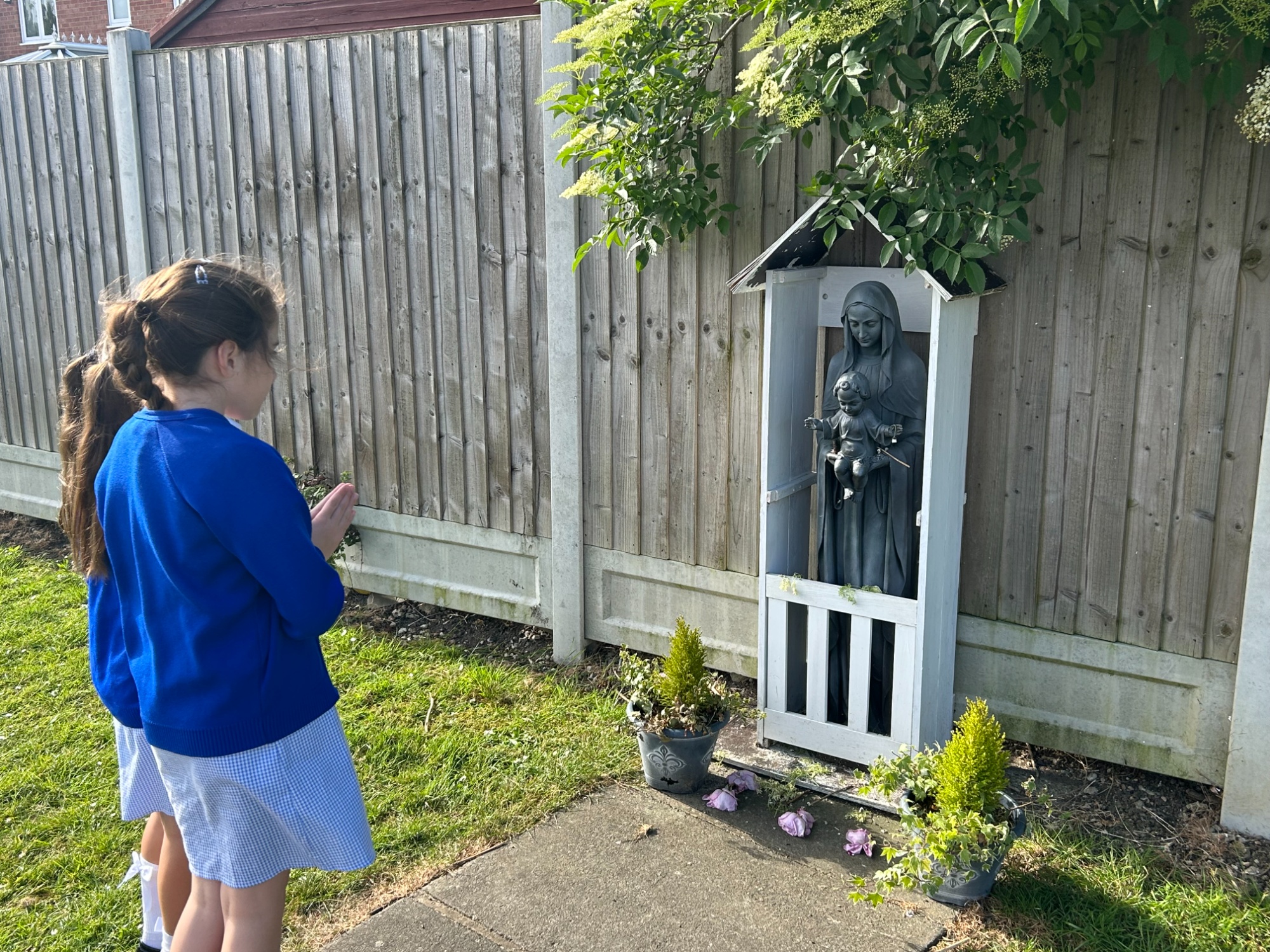
At the Outdoor Shrine
-
During worship
-
In moments of joy, worry or gratitude
The Prayer Book provides simple guidance on how to form spontaneous prayers, including Widgit-supported templates for children who need help expressing their thoughts.
Children regularly offer spontaneous intentions during Celebrations of the Word, in class worship, and before key feast days or world events.
Pupil Leadership in Prayer & Liturgy
Pupil leadership is a cornerstone of our worship life.
-
Faith Council helps to lead Monday worship, writes intentions and shapes termly liturgical projects
-
Pupils regularly lead class worship from start to finish
-
Children help plan elements of school Masses, including readings, symbols and hymns
-
Prayer and worship leadership progresses from simple participation in EYFS to confident proclamation in KS2
This leadership builds confidence, theological understanding and a sense of belonging to the mission of the Church.
How Children Evaluate Worship
Evaluation is a vital part of worship formation. After acts of worship, pupils reflect on:
-
What helped them feel close to God
-
Which Scripture message stood out
-
How they will “go forth” and live the message
-
What worked well and what could improve next time
Tools include:
-
Written reflection
-
Verbal circle discussions
-
Faith Council feedback
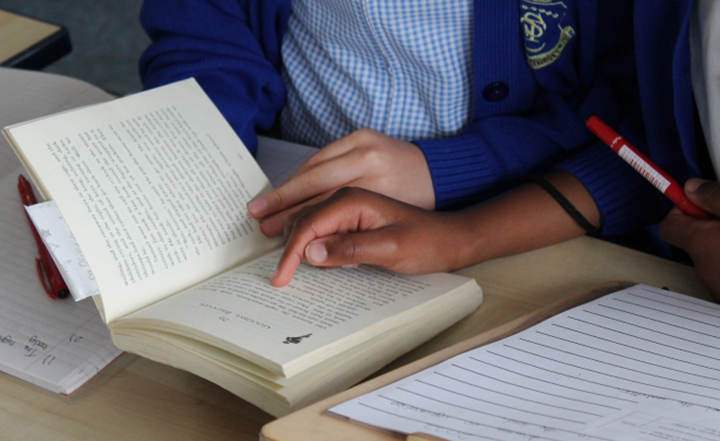
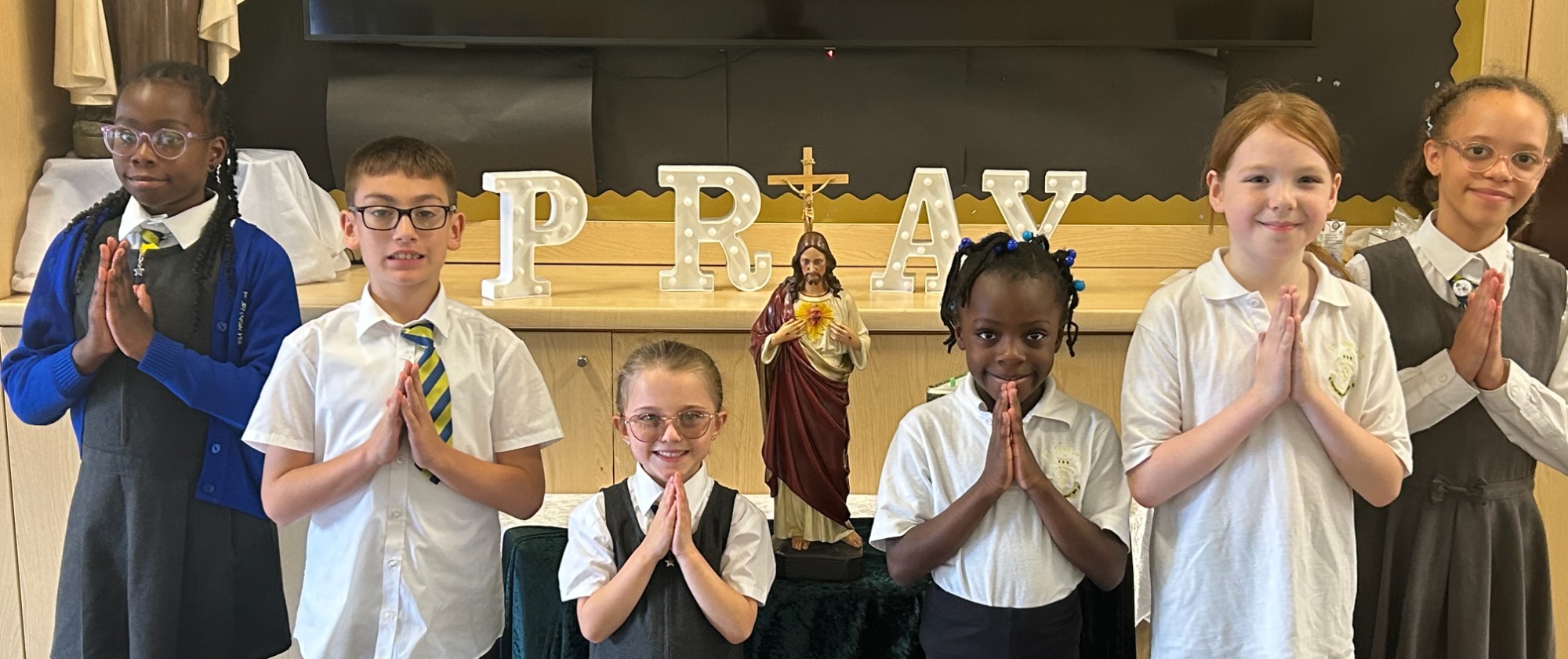
Prayer Spaces
Children access a range of sacred spaces that nurture prayer:
-
Class Prayer Tables with liturgical colours, Scripture and sacred images
-
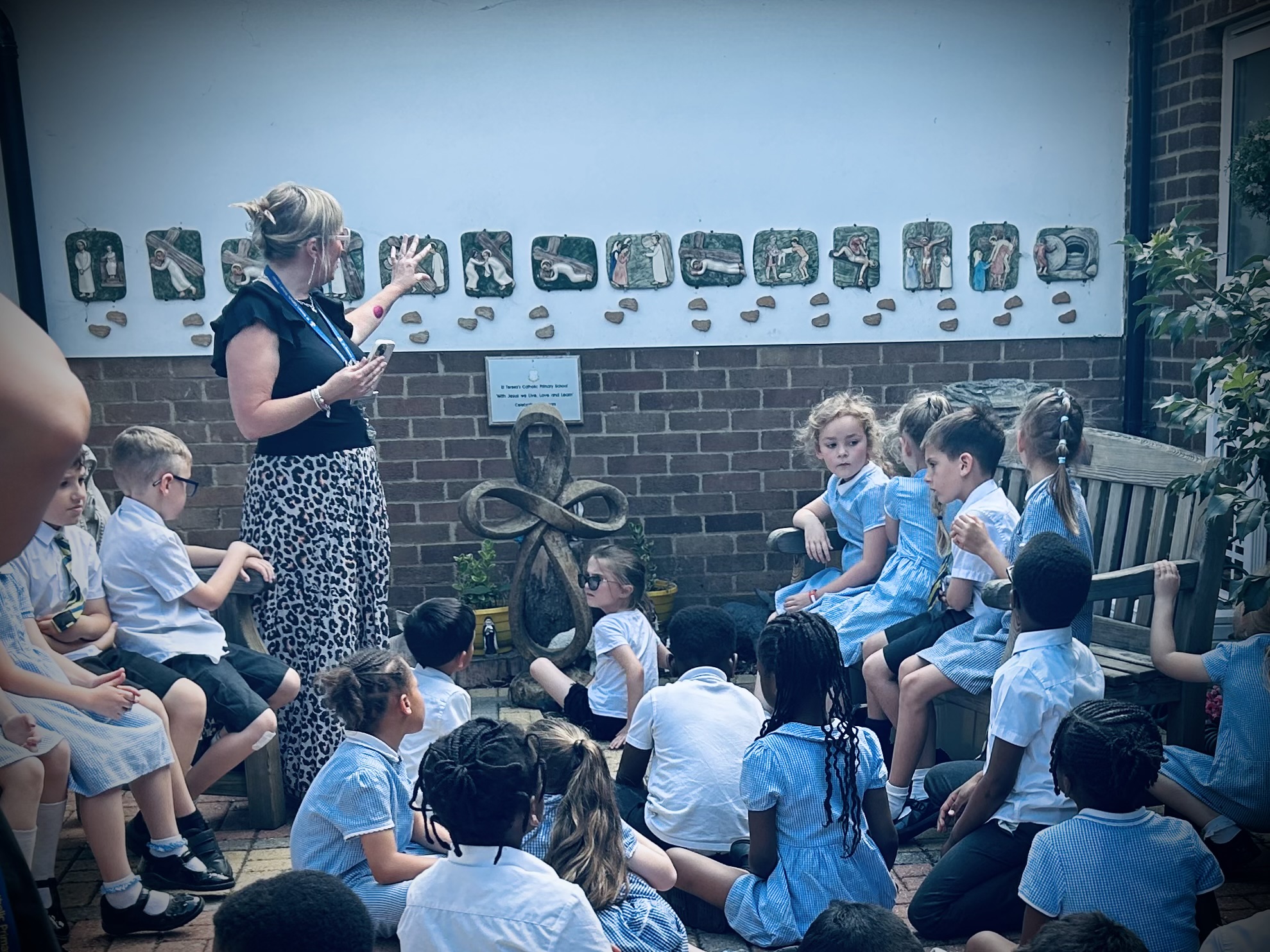
Prayer Garden for outdoor worship and reflection
-
Outdoor Shrine for spontaneous prayer
-
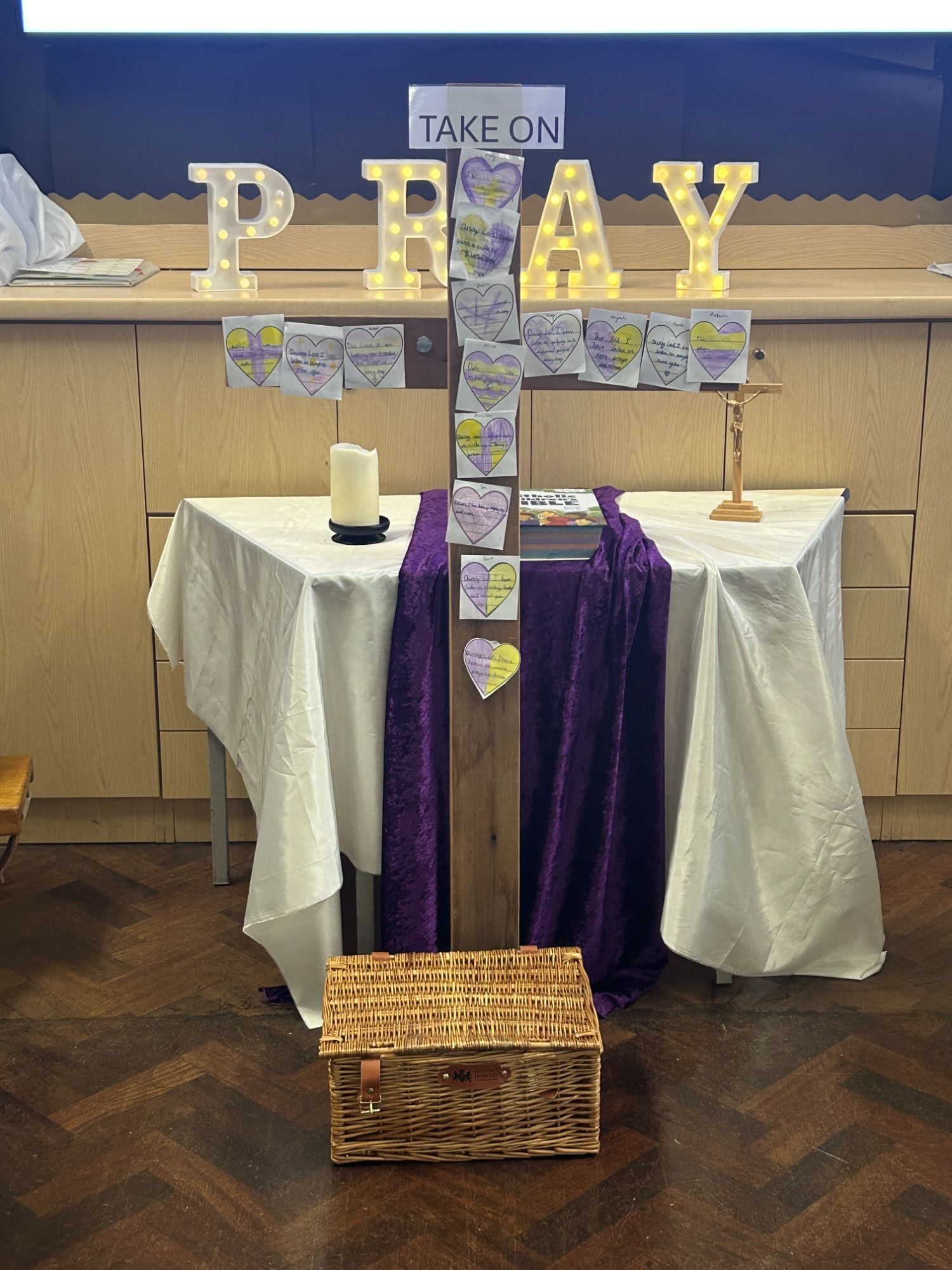
Hall Prayer Table for whole school collective worship.
These spaces help pupils build habits of silence, stillness and contemplation.
Inclusion in Prayer & Liturgy
Prayer is accessible to all learners through:
-
Simplified language
-
Visual supports and Widgit symbols
-
Sensory materials
-
Adapted roles for Mass and worship
-
Multi-modal ways to engage (silence, gesture, movement, prayer stones, music)
No child is ever excluded from experiencing God’s presence.
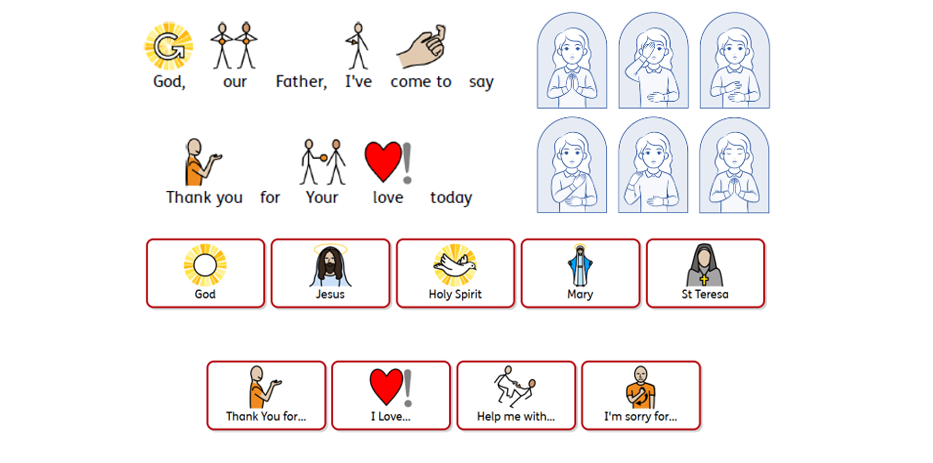 (Examples of adaptive resources used to support learners in prayer)
Music as Prayer
Weekly hymn practice forms a musical liturgy, teaching pupils that “to sing is to pray twice.”
Children learn seasonal hymns, Mass responses and songs of praise, contributing to the school’s joyful worship culture.
A Living Culture of Prayer
Our prayer and liturgy form a community that is:
-
Reflective
-
Reverent
-
Joyful
-
Inclusive
-
Deeply connected to Scripture
-
Rooted in the example of St Thérèse’s Little Way
Pupil voice captures this beautifully:
“When we pray, we help others and bring people closer to God.”
— Pupil, (The Catholic Year in Review 2025)
Prayer and liturgy at St Teresa’s are not events—they are a way of life.