Pupil-Led & Spontaneous Prayer
At St Teresa’s Catholic Primary School, prayer is at the heart of our daily life. We believe that children learn to pray not only by listening, but by leading. When pupils take an active role in shaping our prayer life—whether through collective worship, class prayer times, or spontaneous prayer—they grow in confidence, reverence and closeness to God.
Through our mission “With Jesus we live, love and learn,” we nurture pupils who can pray with sincerity, lead others with compassion, and understand that prayer is a joyful conversation with God.
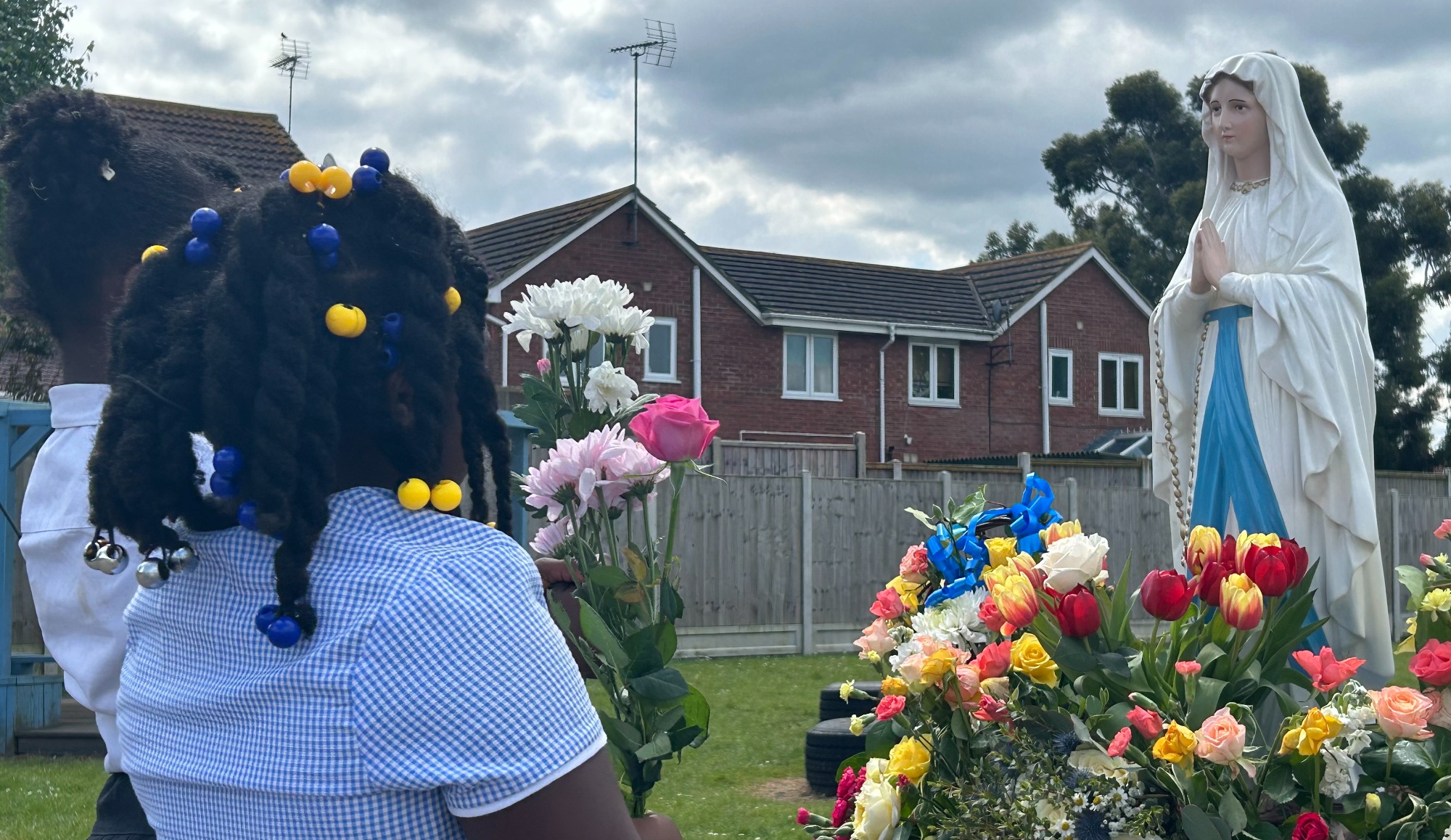
What Is Pupil-Led Prayer?
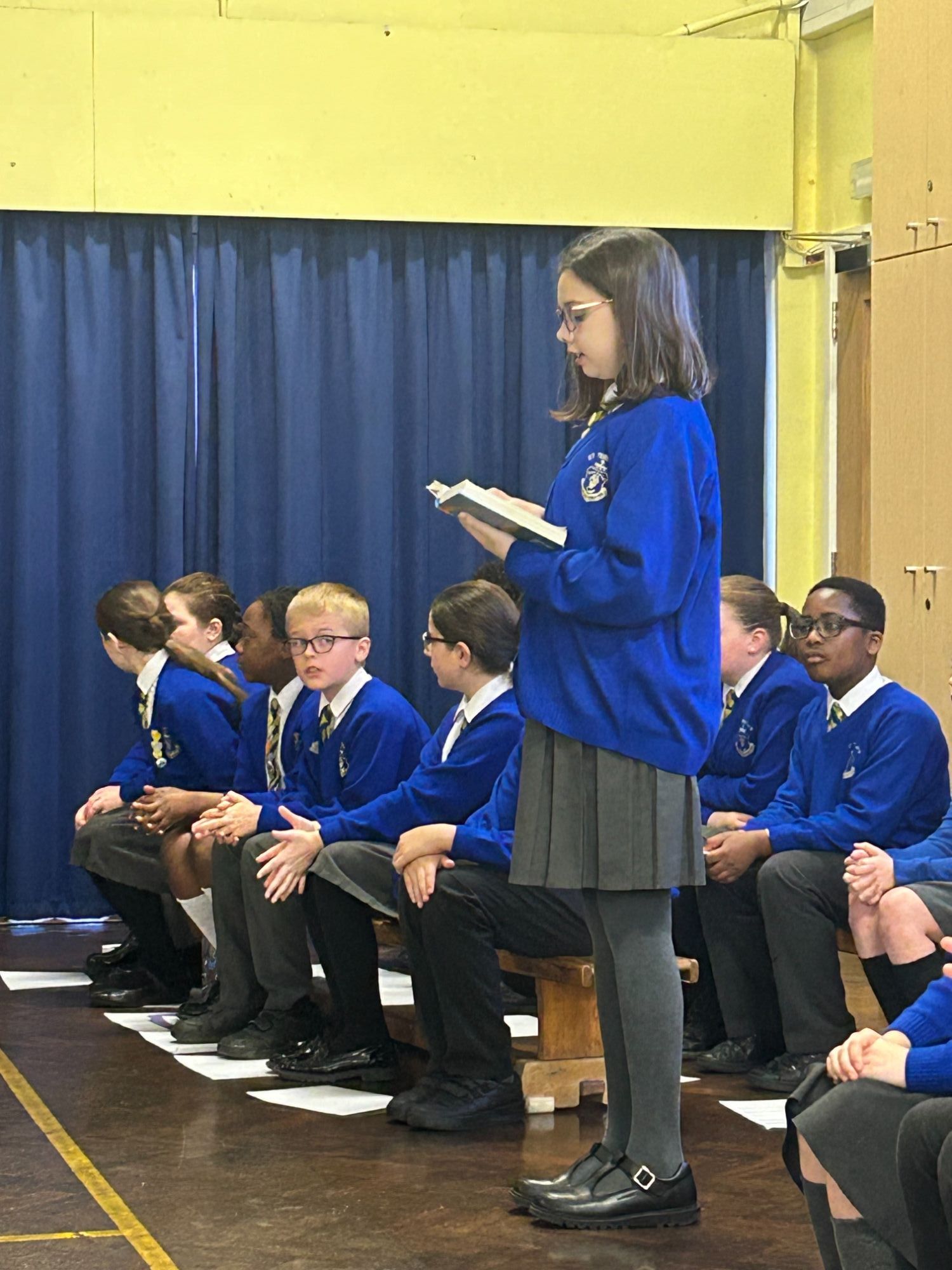
Pupil-led prayer is when children plan, prepare and lead elements of prayer and worship. This includes:
-
Opening and closing prayers
-
Choosing Scripture or religious images
-
Writing and reading bidding prayers
-
Leading moments of silence or reflection
-
Guiding classmates through the Gather–Listen–Respond–Go Forth structure
-
Sharing personal intentions with the school community
Pupil-led prayer takes place in:
-
Classroom-based collective worship and prayer
-
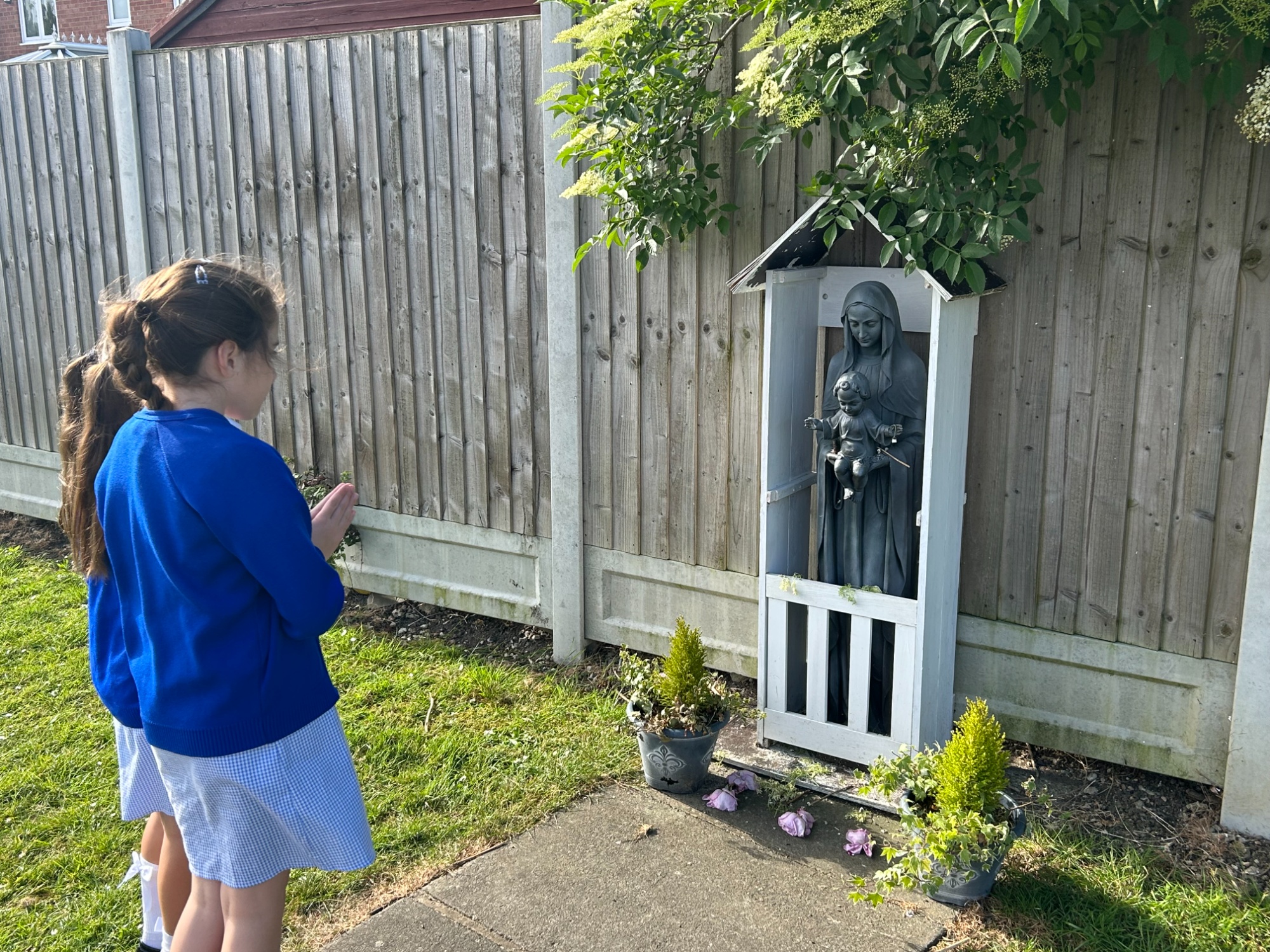
Outdoor worship in the Prayer Garden
-
Whole-school and key-stage collective worship
Teachers support pupils to plan worship in age-appropriate ways, and older children regularly mentor younger pupils in how to pray and participate reverently at Mass.
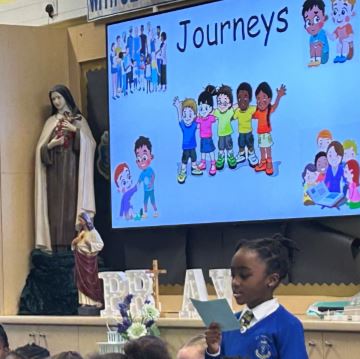
Spontaneous Prayer
What is Spontaneous Prayer?
Spontaneous prayer is a child’s own prayer, spoken naturally from the heart. It is not scripted or memorised. It can happen anywhere—in class, in the Prayer Garden, during collective worship, or in quiet moments during the day.
At St Teresa’s, we teach children that God loves to hear their own words, worries, and hopes. Prayer stones, class prayer books and reflective spaces help children express their prayers freely and confidently.
How We Encourage It
-
Prayer Stones: pupils hold a stone and offer a prayer aloud or silently for someone in need.
-
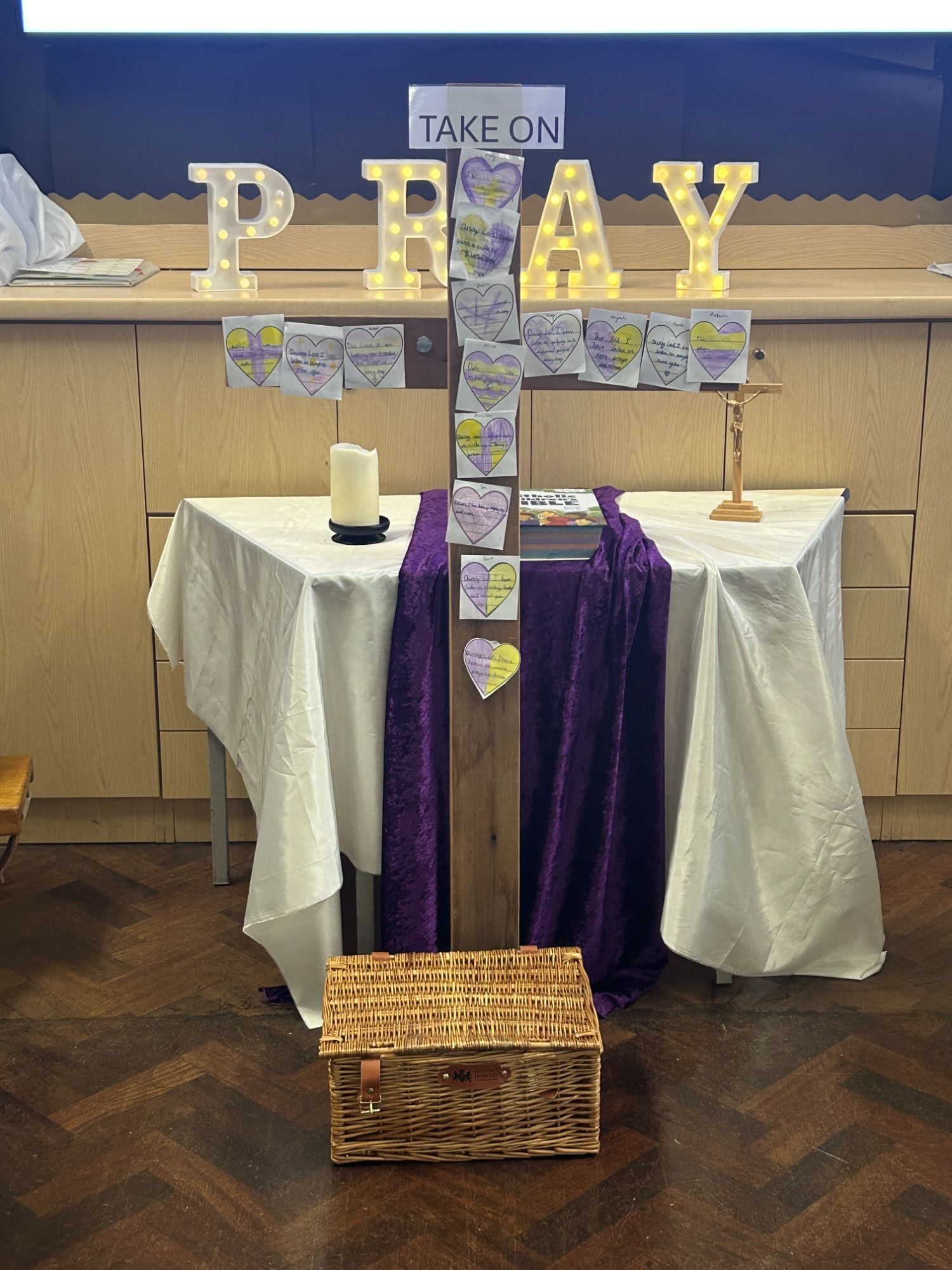
Class Prayer Books: children write intentions that are later shared during whole-school worship.
-
Outdoor Shrine & Prayer Garden: peaceful spaces that invite reflection and spontaneous prayer.
-
Liturgical Moments: e.g., Lenten promises, prayers for peace, intentions linked to Catholic Social Teaching.
Children often choose spontaneous prayer during moments of joy, gratitude, or empathy—especially when responding to world events or supporting classmates.
Why Pupil-Led and Spontaneous Prayer Matters
1. It deepens faith.
When children choose the words of prayer themselves, they connect more personally with God.
“When we pray, we help others and bring people closer to God.”
— Pupil voice 24/25
2. It builds confidence.
Pupils grow in their ability to speak publicly, reflect spiritually and lead with reverence.
3. It develops empathy.
Prayers often focus on others: the poor, the sick, families in difficulty, victims of conflict, and our local community.
4. It strengthens Catholic identity.
Children learn that prayer is not something done to them, but something they take part in actively and joyfully.
5. It forms young disciples.
Pupils learn to listen to Scripture, reflect, and respond with purpose—key elements of our worship framework.
Examples of Pupil-Led Prayer in Action
-
Faith Council leading Monday Collective Worship with bidding prayers
-
Children writing intentions inspired by Catholic Social Teaching or the Liturgical season
-
Pupils planning class liturgies linked to the liturgical year
-
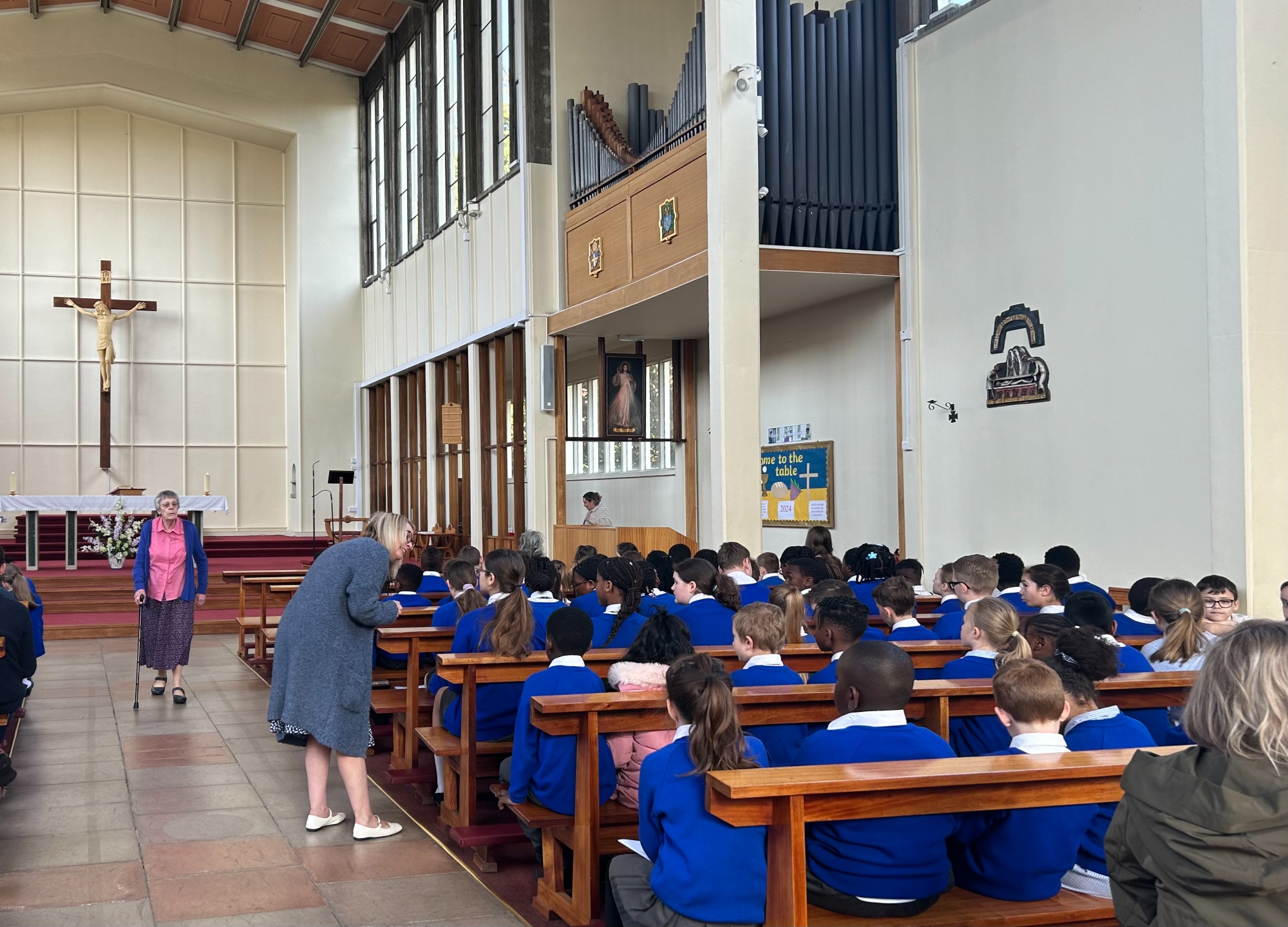
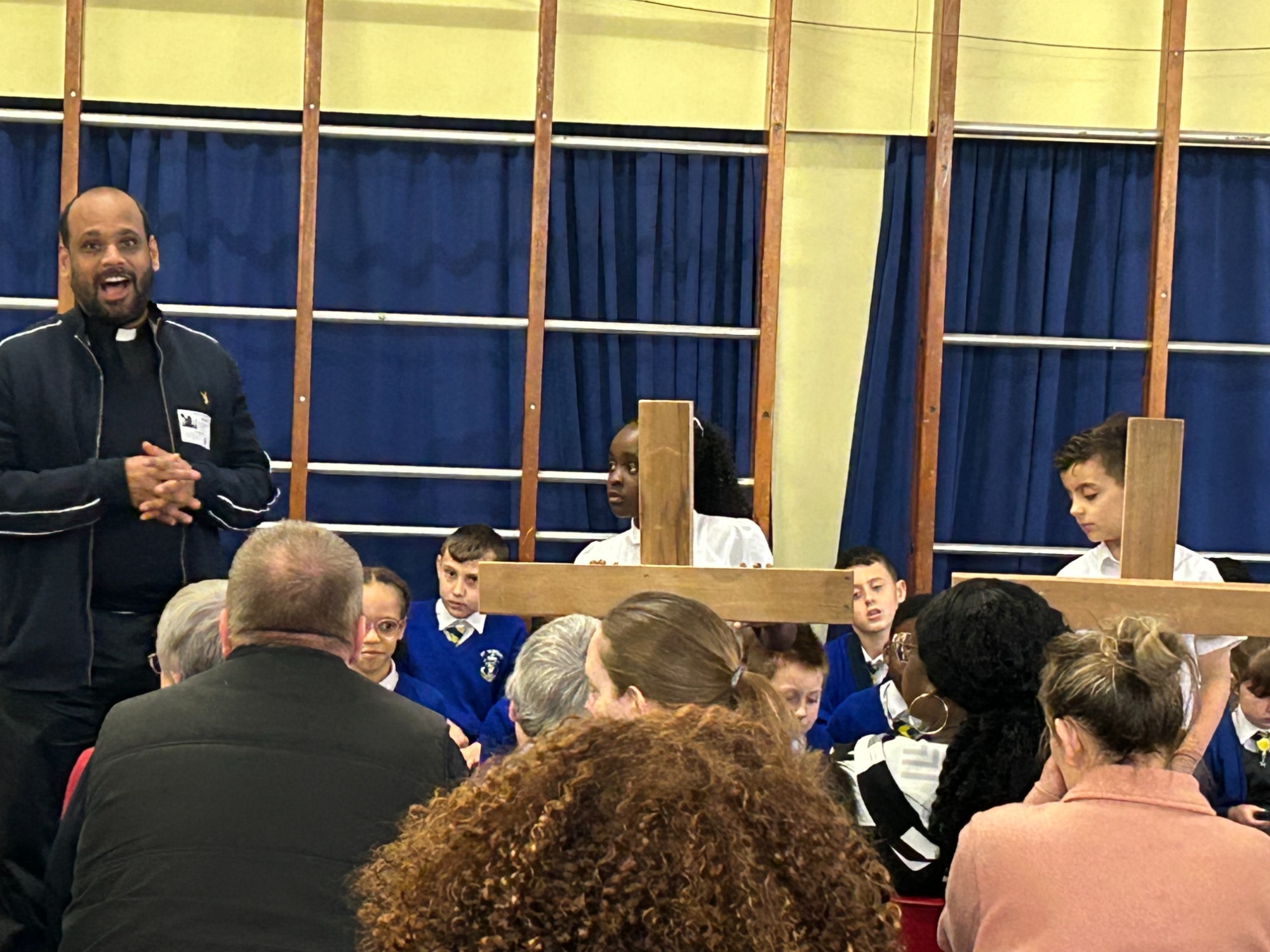
Older children working with Fr Sabu to design parts of their end-of-year Mass
-
Spontaneous prayers shared during Lent, May Devotions, or after learning about world events
-
EYFS pupils confidently leading simple, heartfelt prayers
These moments reveal a community where prayer is lived, not performed.
Helping Children Become Confident Prayer Leaders
We teach pupils how to plan prayer using simple frameworks:
Gather – welcoming the community, lighting a candle, choosing a symbol
Listen – reading Scripture or sharing a religious story
Respond – prayers, reflections, artwork, music or drama
Go Forth – deciding how we will live the message today
Over time, children learn to choose Scripture, explain its meaning, and suggest actions to put faith into practice—demonstrating growing theological understanding.
How Children Evaluate Collective Worship
Evaluation is a key part of our developing worship culture. Children are not only leaders of prayer—they are reflective participants who help us improve the quality, relevance and impact of worship.
Ways Pupils Evaluate Worship
Using age-appropriate tools, children reflect on:
-
What helped them feel close to God
-
Which Scripture message stood out and why
-
How clearly the theme was understood
-
How they might “go forth” and live the message
-
What worked well and what they would improve next time
Evaluation is carried out through:
-
Short written reflections
-
Verbal discussion after worship
-
Faith Council feedback shared with staff
-
In whole school collective worship, adults support this evaluation by scanning a QR code and submitting quick responses
This supports us in embedding a consistent approach to pupil evaluation and linking worship to Scripture and Catholic Social Teaching.
Why This Matters
Pupil evaluation:
-
Deepens understanding of Scripture
-
Strengthens reverence and purpose in worship
-
Builds pupils’ confidence to plan future worship
-
Ensures children recognise why we worship, not just how
-
Helps leaders refine collective worship based on pupil insight
Children increasingly articulate not just what happened in worship, but how it changed them.
A Child’s View
Pupils speak beautifully about what prayer means to them:
-
“When we go to Mass, it brings me closer to God.”
-
“We pray for people who are sad or need help.”
-
“I feel like God is sitting next to me when we pray.”
(24/25 pupil voice)
These simple, profound insights capture what pupil-led prayer is all about.